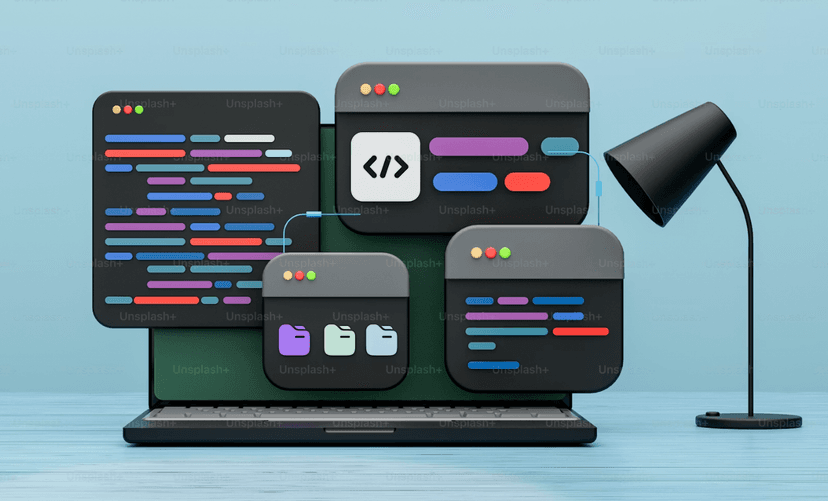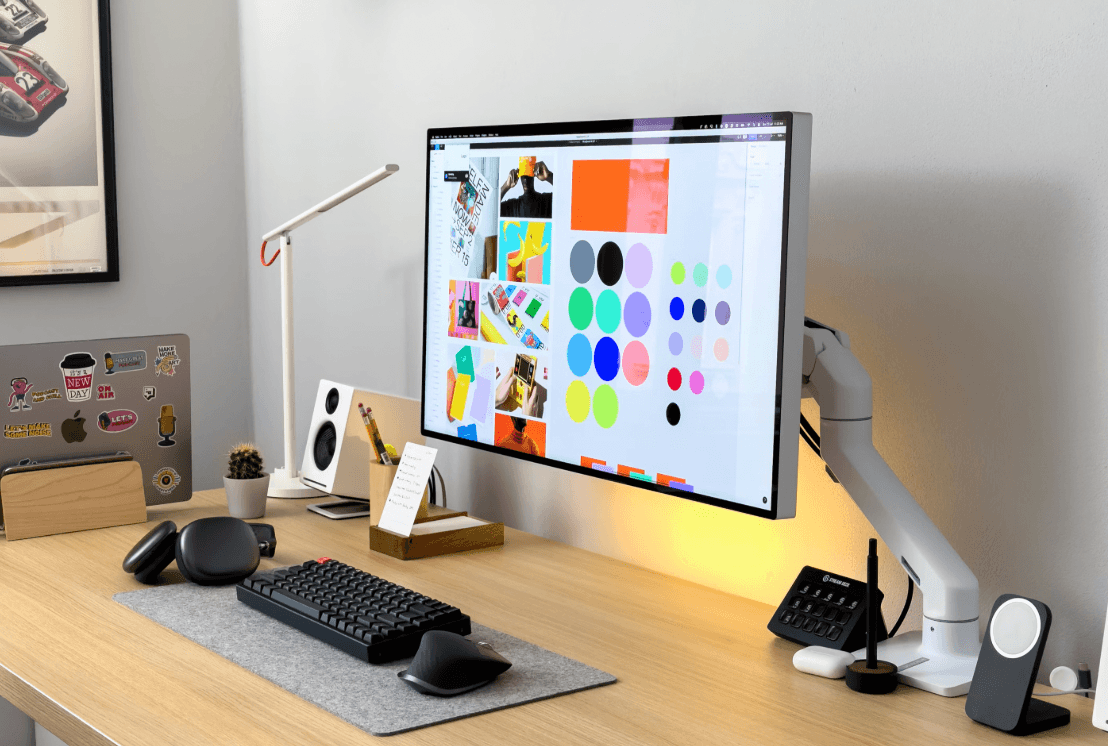
Design systems provide a structured framework of reusable components, typography, colors, and visual guidelines that support scalable digital branding and development. They enable consistency across multiple products and platforms, ensuring a cohesive user experience while reducing design and development redundancy. By centralizing UI elements, style rules, and interaction patterns, design systems allow teams to iterate faster and maintain brand integrity. They also enhance collaboration between designers, developers, and product managers by establishing a shared language and reference point. A well-maintained design system accelerates development cycles, improves accessibility, and supports scalability as organizations grow. Ultimately, design systems unify branding and engineering efforts to create consistent, high-quality digital experiences across all touchpoints.
Learn how design systems unify digital branding and accelerate product development. This article will provide you with actionable insights and practical strategies that you can implement to improve your workflow and organizational systems.
Key Takeaways
- Ensure consistency across digital products and platforms by adhering to standardized design guidelines.
- Accelerate development by reusing components and patterns, reducing redundant work for design and engineering teams.
- Improve team collaboration by creating a shared design language and centralized resource library.
- Enhance scalability and maintainability by evolving a single source of truth for UI elements and interactions.
- Support accessibility and user experience by applying consistent patterns and best practices throughout products.
Reusable Components
Building a library of reusable UI components standardizes development, ensures consistency, and significantly reduces time spent recreating common elements. Components such as buttons, forms, modals, and navigation bars can be shared across multiple projects, maintaining uniform behavior and appearance. Reusable components enable developers to focus on complex features rather than repetitive tasks, while designers ensure visual and interaction consistency. Well-documented components allow new team members to quickly understand usage patterns and contribute effectively. Over time, this library evolves, incorporating new patterns and improvements, supporting scalability and future growth. Using reusable components also facilitates testing, reduces bugs, and enhances the overall quality of digital products.
Brand Guidelines
Brand guidelines provide rules for typography, colors, spacing, iconography, and overall visual style to maintain consistency across all digital products. Clear guidelines ensure that each product aligns with the brand’s identity, strengthening recognition and trust among users. They help designers make consistent choices, enable developers to implement styles accurately, and provide a reference for marketing and content teams. By codifying interaction patterns and visual standards, brand guidelines also improve accessibility and usability. Regularly updating guidelines ensures they reflect current trends, technology changes, and user feedback. Well-defined brand guidelines empower teams to create cohesive, professional, and engaging digital experiences while preserving brand integrity across platforms.
Conclusion
Design systems unify branding and development by providing reusable components, clear guidelines, and a shared language for teams. They accelerate product development, improve collaboration, and maintain consistency across multiple platforms and products. By leveraging a design system, organizations can scale efficiently while ensuring high-quality user experiences. Additionally, design systems support accessibility, reduce technical debt, and promote a culture of continuous improvement in design and development practices. Ultimately, they serve as a strategic asset that bridges design and engineering, enabling faster delivery of cohesive, reliable, and visually compelling digital products.
The journey toward better organization is ongoing. Continue experimenting with these techniques, adapting them to your specific needs, and building systems that serve you well into the future.